

📊 A Dashboard That Actually Makes Sense
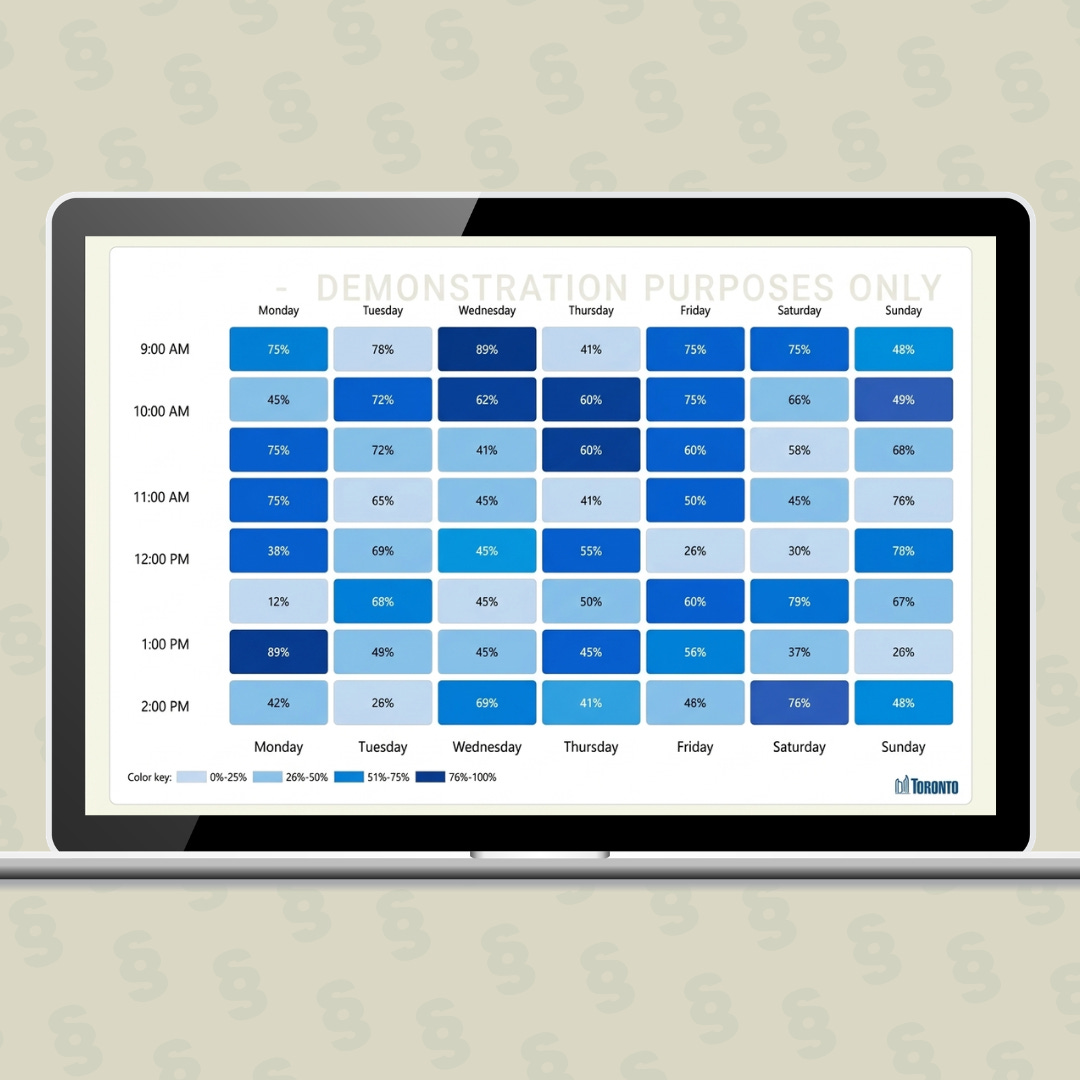
The Parks & Recreation division has built an internal AI tool that brings together historical participation data, waitlists, utilization rates, and location-based insights — all in one interactive dashboard. No more toggling between spreadsheets and siloed systems. Recreation program staff now get a clear, at-a-glance view of what’s working, what’s not, and where the gaps are.
Here’s a real-world example 💡: if participants from one postal code are consistently traveling to a different community centre for a specific program, the system flags it — and recommends moving that program closer to home, where local enrolment could sustain it.
🏊 What This Means for Staff
The wins for front-line staff are tangible:
🤓 More confident decisions: staff can point to evidence when expanding, reducing, or changing a program
📊 Less manual grunt work: faster access to insights means more time actually planning
🧭 Earlier course corrections: catch low enrolment mid-season, not after the fact
🤝 Better alignment across teams: transparency builds trust between front-line staff and leadership
🧑🧑🧒 What This Means for Residents
This is where it gets good for the community:
Parents are more likely to snag that swim lesson spot without registering across multiple centres.
Seniors see more daytime fitness and wellness programs added at their local rec centre.
Programs show up when people are actually free — after work, after school.
Community centres become vibrant hubs, not underused spaces collecting dust.

AI in Parks & Rec isn’t about replacing human judgment — it’s about giving staff the data backbone to make decisions they can stand behind. When programming reflects real community patterns, everyone wins.
⏭️ Next up: We’ll be looking at how 311/Customer Service will help residents find answers to their questions and create service requests faster with their new AI chatbots. Plural. 👀 Stay tuned!